
How Complicated Rhinoplasty Can Be?
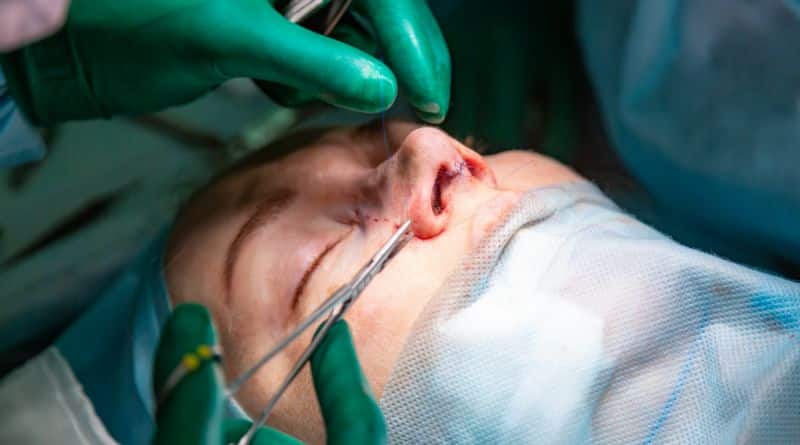
Plastic surgery is becoming more and more prominent in our society, with a recent study showing that the average American is just three years away from receiving one. But as we continue to seek out these procedures, new questions are being raised about the possible complications of operations like rhinoplasty. While it might at first seem like an easy decision to undergo nasal surgery, it actually can have a significant impact on your lifestyle. Rhinoplasty is a surgical procedure to reshape the nose. It can be used to correct breathing difficulties, improve facial appearance, or both. One of the most common reasons for rhinoplasty is to correct a deviated septum, which disrupts airflow through the nose and causes difficulty breathing, especially during exercise and sleeping. Less often, it may also be used for other goals such as reducing the size or altering the shape of one’s nose.
Many factors can influence the cost of a rhinoplasty procedure, including the complexity of each case and any damage to or deformities in the nose related to other conditions. Moreover, it is also important to consider costs associated with anesthesia and post-operative care. The bottom line is that the price of rhinoplasty depends on a massive number of unknowns, which means patients must weigh their options carefully before getting a rhinoplasty. Rhinoplasty is not always a complicated procedure, but it can be complicated and challenging for the surgeon, who must align the nasal structures so that they look aesthetically appealing. The complexity of rhinoplasty depends on multiple factors.
Complications of Rhinoplasty
While rhinoplasty is a common cosmetic surgery procedure performed by doctors, numerous complications can occur during the procedure and at any time after the surgery. The most common risks of rhinoplasty include:
1. Infection
Infection is a common complication of any surgical procedure, and rhinoplasty is no exception. An infected nose can be a long-term problem that may interfere with breathing for many patients. Even if a patient has not had prior issues with their nostrils, infections are still possible following a rhinoplasty. One way to reduce the risk of infection is to keep the surgical area clean and dry overnight, refrain from using cotton swabs in your nostrils after surgery, and avoid touching your face with unwashed hands.
2. Trauma
Rhinoplasty also can be complicated by other types of trauma, such as a fracture or fracture dislocation. Fractures are not uncommon after rhinoplasty because the surgeon must operate in limited areas and the nose is unstable. Likewise, a nasal fracture dislocation can cause the fractures to spread through the nasal area, making breathing difficult. In addition to fractured nasal bones, the nasal cartilage can also be fractured during a rhinoplasty. This can lead to significant pain and swelling, which may make breathing difficult. In both cases, nasal fractures require further treatment to promote healing and alleviate discomfort.
3. Congenital Anomalies
A prevalent complication is a congenital anomaly or deformity in the nose, affecting both aesthetic results and breathing function after rhinoplasty. It is crucial to identify these problems before surgery to ensure that the surgeon has a clear idea of what needs to be done during rhinoplasty. It may also be necessary for patients with congenital anomalies to seek further care after rhinoplasty, such as speech therapy or rehabilitation.
4. Deformity
Another rhinoplasty complication is deformity, which is more common in patients who have had previous nasal surgeries. Deformity of the nose can range from slight to severe, and patients need to be aware of the potential risks involved with rhinoplasty. For example, a patient who is looking to reduce the size of their nose after suffering from trauma or a disease might have unrealistic expectations about what kind of results can be achieved with a rhinoplasty. Unfortunately, the nose is an area of the face where repeated surgery can lead to deformity.
5. Scar formation
Another potential complication of rhinoplasty is scar formation, resulting from an operation to shorten your nose. Healed scars also can result from an operation that destroys a tumor or part of your nose. Scar tissue might not be able to heal without causing a lot of pain and breathing difficulties. In addition, minor scars can trigger new problems relating to breathing. While it may seem like a quick solution, rhinoplasty may lead to difficulties in the future such as a weakening of the surrounding cartilage and more serious complications such as osteoarthritis.
6. Numbness
While it is not common, some rhinoplasty patients may experience numbness after surgery. This can be very problematic for patients who have had extensive work done on the tip of their nose because they need to feel the shape of their nose and have the sense of smell. In order to minimize the risk of numbness, you should refrain from touching your nose unnecessarily and from spending too much time in a face mask or using a humidifier.
Is a rhinoplasty right for you?
It is important for patients to consider whether a rhinoplasty is really appropriate. For example, if all you have are minor complaints, such as breathing issues that can be easily managed with nose plugs, it may not be worth the risk of undergoing a rhinoplasty. If you have problems breathing during exercise but do not want to reduce the size of your nose, this could also be an indication that a rhinoplasty might not be the right solution. Finally, if you have an infection in your nose and swelling, your surgeon will evaluate the severity of your condition and direct you regarding whether a rhinoplasty is appropriate.
Recovery
Rhinoplasty is a recovery process that requires time and effort. After surgery, your nose will be covered in gauze which needs to be changed regularly. You will also be expected to use a face mask for the first few days after surgery to minimize swelling and pain. With any surgery, there is also a risk of infection and additional issues that can develop as you heal. Post rhinoplasty procedure care includes antibiotics, pain medicines and anti-inflammatory medications. This will help with any swelling, irritation or pain.