
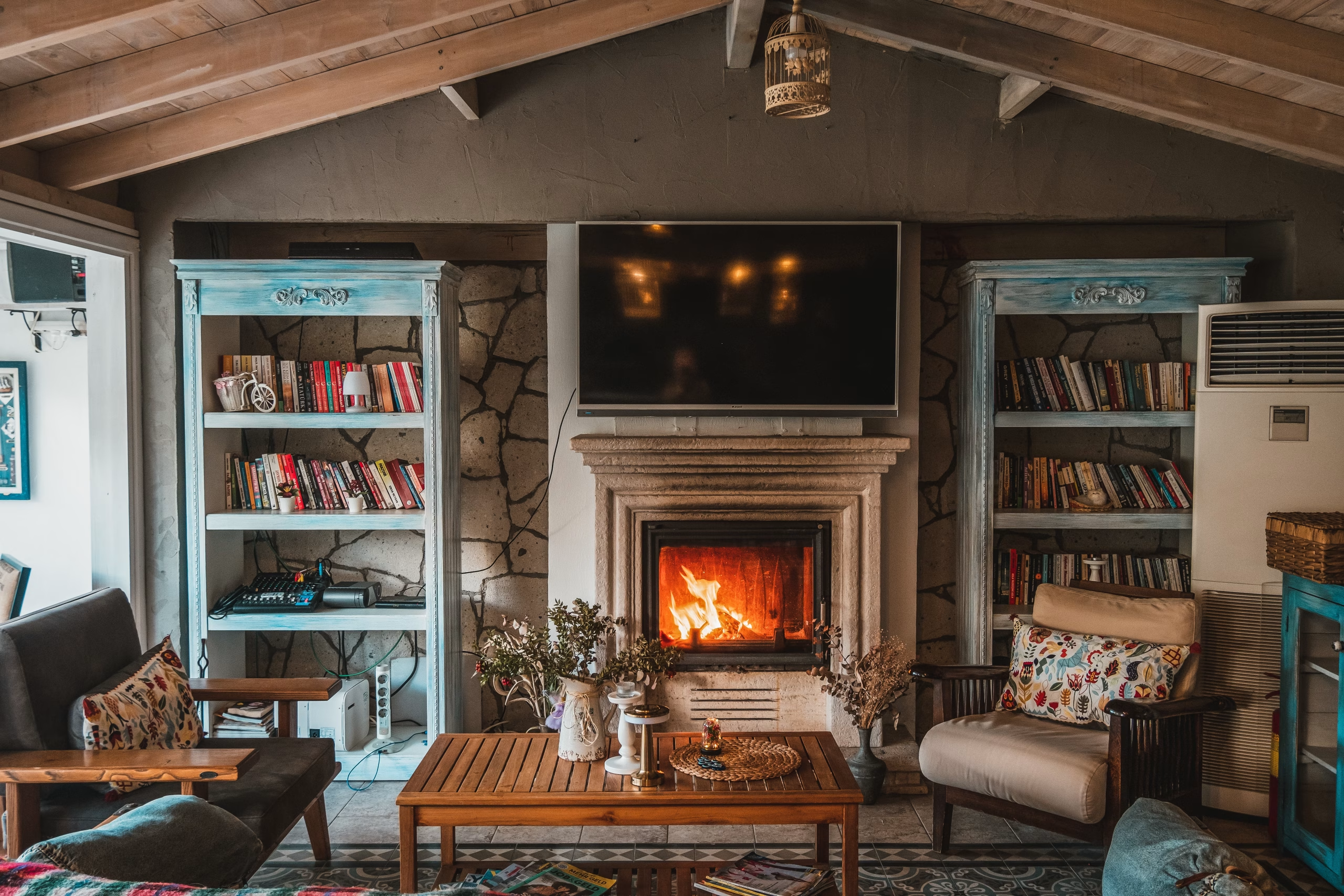
Is Your Hearth Truly Ready for Colder Weather?
Is Your Hearth Truly Ready for Colder Weather?
A reliable stove needs attention before cold weather makes it part of your daily routine. Early checks give you time to arrange professional help, order replacement parts and prepare suitable fuel without rushing. They can also reveal small problems, such as a loose door seal or damaged pane, before those faults affect performance or household safety.
Schedule a Chimney Sweep Early
Book a professional sweep before autumn appointments become scarce. Soot, tar deposits and debris can restrict airflow, while an unused flue may contain nesting material or other obstructions. A sweep can clear the chimney and flag visible defects that need further investigation.
Even if the chimney was cleaned last year, your stove usage and fuel choice will influence how quickly deposits return. Guidance on arranging a chimney sweep before winter can help you judge the timing. Keep the visit record too, as it provides a useful maintenance history for future servicing and household paperwork.
Chimney maintenance should also form part of your wider home inspection routine. This guide to critical home inspections highlights other areas of the property that benefit from regular checks, helping you keep up with essential maintenance throughout the year.
Check Door Ropes for Air Leaks
Inspect the rope seal fitted around the stove door once the appliance is completely cold. A flattened, frayed or detached rope can allow too much air into the chamber, making the stove harder to control and reducing its efficiency.
Try the paper test at several points around the door. Close the door on a strip of ordinary paper, then pull gently. You should feel clear resistance. If the paper slides out easily in one area, the seal may need adjusting or replacing. Use the rope size and adhesive specified for your stove model. After fitting a new seal, allow any adhesive to cure for the recommended time before using the appliance.
Inspect the Glass for Cracks or Crazing
Clean the cold pane carefully so you can distinguish surface residue from actual damage. Look closely around the edges and fixing points, where small cracks may begin. A cloudy network of fine lines, sometimes called crazing, also deserves attention from a qualified stove professional.
Don’t use a stove with a cracked or loose pane. Check the appliance manual for the correct glass specification and measure the door aperture carefully before ordering a replacement. Homeowners needing a custom-sized panel can explore toughened wood burning stove glass. The replacement panels are made from heat-resistant glass-ceramic designed to withstand high temperatures and sudden temperature changes. Follow the supplier’s measuring guidance and leave the specified expansion gap when fitting the replacement. Avoid overtightening the retaining clips, as the glass needs room to accommodate the metal door’s expansion.
Stock Up on Well-Seasoned Hardwood
Buy fuel early enough to check its condition and store it correctly. Well-seasoned hardwood should feel relatively light for its size and show cracks across the cut ends. A moisture meter offers a clearer answer: split a log and test the freshly exposed centre, aiming for a reading of 20 per cent or lower.
Store logs off the ground in a covered, ventilated area. Leave the sides open enough for air to circulate and bring only a small quantity indoors at a time. Avoid relying on appearance alone, since the outside of a log can feel dry while its centre remains damp. Poorly seasoned fuel produces less useful heat and encourages heavier deposits inside the stove and flue.
Test Every Household Alarm Device
Test every smoke alarm and carbon monoxide alarm before the stove returns to regular use. Press and hold each test button until the alarm sounds, then confirm that everyone in the home can hear it from bedrooms and other occupied rooms. Follow the manufacturer’s instructions for battery changes and replacement dates.
Review current carbon monoxide alarm guidance when deciding where devices should be placed. Never cover an alarm or position it where furniture blocks it. If a carbon monoxide alarm activates, leave the property, get into fresh air and contact the appropriate emergency service. Don’t return until you’ve been told that it’s safe.
Once these checks are complete, keep the sweep record, stove manual and alarm replacement dates together in one accessible place. That small household file will make next year’s cold-weather preparation much quicker and help you spot when a service or replacement is due.
Feature Image Source: Pexels